
Expert Tips for Maintaining Your Property Effectively
- stacyhancock64
- Jul 23
- 4 min read
Maintaining a property can often feel overwhelming, especially when juggling various tasks and responsibilities. Whether you are a homeowner, a landlord, or a property manager, understanding how to keep your property in top shape is essential. Not only does effective maintenance enhance the aesthetic appeal of your property, but it also preserves its value and ensures the safety of its occupants. In this blog post, we will explore expert tips for maintaining your property effectively, providing you with practical advice and actionable steps.
Understanding the Importance of Property Maintenance
Property maintenance is not just about fixing things when they break. It involves a proactive approach to ensure that everything functions smoothly and looks appealing. Here are some key reasons why property maintenance is crucial:
Preservation of Value: Regular maintenance helps to retain and even increase the value of your property. A well-maintained property is more attractive to potential buyers or renters.
Safety: Regular inspections and maintenance can prevent accidents and injuries. For instance, ensuring that electrical systems are up to code can prevent fires.
Cost Savings: Addressing minor issues before they escalate into major problems can save you significant amounts of money in repairs.
Enhanced Comfort: A well-maintained property provides a comfortable living environment, which is essential for tenant satisfaction.
Regular Inspections: The Foundation of Maintenance
One of the most effective ways to maintain your property is through regular inspections. These inspections should cover both the interior and exterior of the property. Here’s how to conduct thorough inspections:
Interior Inspections
Check for Leaks: Inspect plumbing fixtures, under sinks, and around toilets for any signs of leaks. Early detection can prevent water damage.
Examine Electrical Systems: Test smoke detectors and carbon monoxide detectors regularly. Ensure that all outlets and switches are functioning properly.
Inspect HVAC Systems: Change air filters every few months and schedule professional servicing at least once a year to ensure efficient operation.
Exterior Inspections
Roof and Gutters: Inspect the roof for missing shingles or signs of wear. Clean gutters regularly to prevent water damage.
Foundation: Look for cracks or signs of settling. Addressing foundation issues early can prevent costly repairs later.
Landscaping: Maintain trees and shrubs to prevent them from damaging the property. Regularly mow the lawn and trim hedges to keep the exterior looking neat.
Seasonal Maintenance Tasks
Different seasons bring unique challenges for property maintenance. Here’s a breakdown of essential seasonal tasks:
Spring
Clean Gutters: Remove debris to ensure proper drainage.
Inspect Roof: Check for winter damage and make necessary repairs.
Service HVAC: Prepare your air conditioning system for the warmer months.
Summer
Lawn Care: Water and fertilize your lawn regularly.
Pest Control: Inspect for signs of pests and take preventive measures.
Exterior Painting: Touch up any peeling paint to protect surfaces from the elements.
Fall
Winterize Outdoor Faucets: Disconnect hoses and insulate outdoor faucets to prevent freezing.
Inspect Heating Systems: Schedule a professional inspection of your heating system.
Clean Chimneys: If you have a fireplace, ensure it is cleaned and inspected before use.
Winter
Monitor Heating Systems: Keep an eye on your heating system and replace filters as needed.
Check for Ice Dams: Inspect the roof for ice buildup that can cause leaks.
Clear Snow and Ice: Regularly clear walkways and driveways to ensure safety.
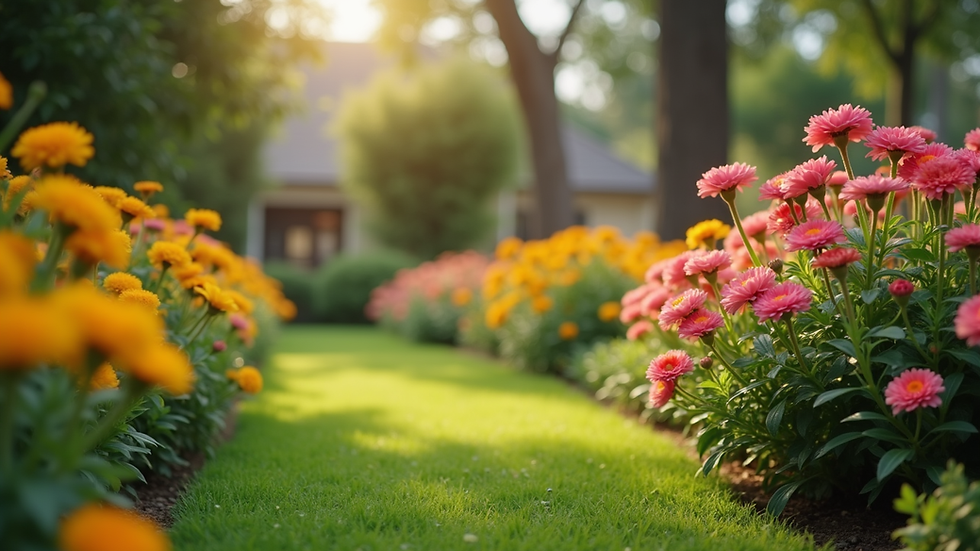
Landscaping and Curb Appeal
The exterior of your property is the first impression visitors and potential tenants will have. Investing time in landscaping can significantly enhance curb appeal. Here are some tips:
Plant Native Species: Choose plants that thrive in your local climate to reduce maintenance and water usage.
Mulch Beds: Use mulch to retain moisture and suppress weeds.
Create Defined Spaces: Use borders or pathways to create defined areas in your garden, making it visually appealing.
Maintenance of Common Areas
For multi-unit properties, maintaining common areas is crucial for tenant satisfaction. Here are some tips:
Regular Cleaning: Schedule regular cleaning of hallways, lobbies, and shared facilities.
Lighting: Ensure that all common areas are well-lit for safety and security.
Amenities: Regularly inspect and maintain amenities such as pools, gyms, and laundry facilities.
Keeping Up with Repairs
Timely repairs are essential for maintaining your property. Here’s how to stay on top of repairs:
Create a Maintenance Schedule: Develop a calendar that outlines when inspections and maintenance tasks should be performed.
Document Repairs: Keep a record of all repairs and maintenance tasks. This documentation can be useful for future reference and when selling the property.
Hire Professionals: For complex repairs, consider hiring licensed professionals to ensure the work is done correctly.
Utilizing Technology for Maintenance
Technology can streamline property maintenance and make it more efficient. Here are some tools and apps that can help:
Property Management Software: Use software to track maintenance requests, schedule inspections, and manage tenant communications.
Smart Home Devices: Install smart thermostats, smoke detectors, and security systems that can alert you to issues in real-time.
Maintenance Apps: Utilize apps that allow tenants to report maintenance issues directly, making it easier to address problems promptly.
Budgeting for Maintenance
Effective property maintenance requires a budget. Here’s how to create one:
Estimate Costs: Research typical maintenance costs for your area and property type. Include routine maintenance and unexpected repairs in your budget.
Set Aside a Reserve Fund: Aim to save 1-3% of your property’s value annually for maintenance and repairs.
Review and Adjust: Regularly review your budget and adjust as necessary based on actual expenses and upcoming needs.
Conclusion
Maintaining your property effectively is an ongoing process that requires attention, planning, and dedication. By implementing regular inspections, seasonal tasks, and utilizing technology, you can ensure that your property remains in excellent condition. Remember, proactive maintenance not only preserves the value of your property but also enhances the comfort and safety of its occupants. Start today by creating a maintenance plan that works for you, and enjoy the benefits of a well-maintained property.


Comments